59 Phenix Ave Cranston, RI 02920

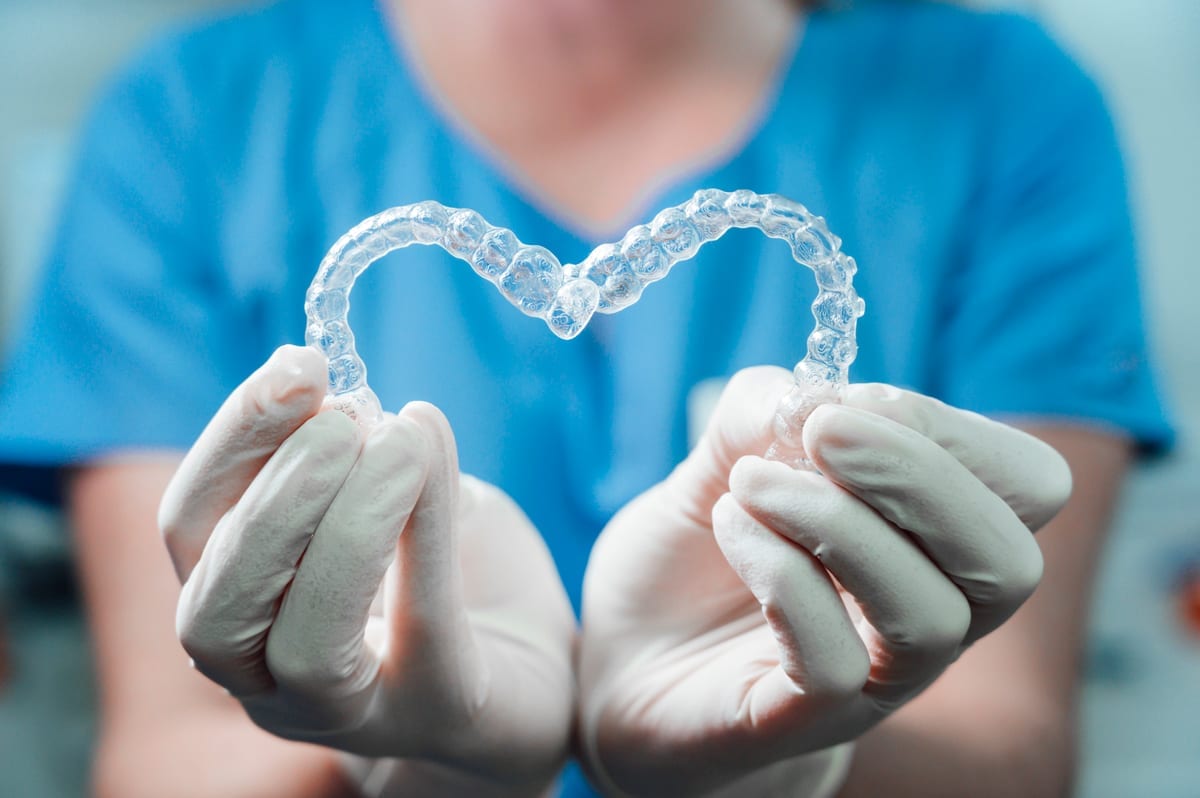
If you wear Invisalign, you may wonder why your aligners change every two weeks in Cranston. It can feel like a mystery at first. The good news is the science behind it is straightforward and fascinating. Understanding why your Invisalign aligners change every two weeks helps you stay motivated and committed to your treatment plan.
At Cranston Orthodontics, Dr. Cosmo Haralambidis guides every patient through each stage of the process. This is not a one-size-fits-all system. Every set of aligners is precisely engineered to move your teeth in a controlled, predictable way. Let us break down exactly how it all works.
How Invisalign Moves Your Teeth Step by Step in Cranston
Invisalign works by applying gentle, consistent pressure to your teeth. Each aligner tray is slightly different from the one before it. That small difference is what drives tooth movement. Your teeth respond to this sustained pressure by shifting into new positions over time.
Orthodontists call this process controlled force application. The biology behind it involves bone remodeling. On one side of a moving tooth, bone breaks down. On the other side, new bone forms to support the tooth in its new location. This process takes time, which is why patience is essential.
Here is what happens during a typical Invisalign tooth movement cycle:
- Your aligner applies light pressure to targeted teeth
- Cells in the surrounding ligament respond to that pressure
- Bone tissue slowly remodels around the shifting tooth
- The tooth settles into the new position planned by your doctor
- Your next aligner continues the movement from that point
Each tray moves teeth by roughly 0.25 millimeters. That is a tiny amount. But across dozens of trays, these small shifts add up to a dramatic transformation.
Why the Two-Week Aligner Change Schedule Matters
The two-week schedule is not arbitrary. It is carefully calibrated to match your body’s natural healing rhythm. Changing aligners too soon can stress your bone tissue before it has stabilized. Waiting too long can allow teeth to settle too firmly, reducing aligner effectiveness.
Two weeks gives your bone enough time to begin remodeling without completing the full cycle. That window keeps your teeth responsive to the next tray. Think of it like turning a dial one click at a time rather than forcing it all at once.
Some patients at Cranston Orthodontics are placed on a ten-day schedule instead. Dr. Haralambidis determines this based on individual biology and treatment goals. Not every patient moves at the same pace. Your plan is customized specifically to your teeth and jawbone density.
Skipping ahead to the next aligner early is a common mistake. It can cause pain, poor fit, and treatment setbacks. Always follow the schedule Dr. Haralambidis provides for the best outcome.
Understanding Attachments and How They Support Your Aligner Schedule
You may have noticed small tooth-colored bumps on some of your teeth. These are called attachments, and they play a critical role in your Invisalign treatment. They give the aligner better grip and allow it to apply force in more precise directions.
Without attachments, aligners can only push teeth in limited ways. Attachments allow for rotation, tipping, and vertical movement. Teeth that need complex repositioning almost always require them. Dr. Haralambidis places attachments strategically based on your digital treatment plan.
Here are some key facts about Invisalign attachments:
- They are made from tooth-colored composite resin
- They bond directly to the surface of your teeth
- They are removed painlessly at the end of treatment
- Different shapes produce different types of movement
- Not every patient needs them — it depends on your case
Attachments also explain why your aligner fits snugly in some spots and more loosely in others. That variation is intentional. Each contact point is engineered to deliver the right amount of pressure to the right tooth.
What Are Refinements and When Do You Need Them?
Even with the most careful planning, teeth do not always move exactly as predicted. Refinements are additional sets of aligners created mid-treatment to correct any deviation from your original plan. They are a normal and expected part of the Invisalign process for many patients.
Dr. Haralambidis will take new scans of your teeth at a certain point in your treatment. These scans reveal how well your teeth have tracked with the original digital plan. If adjustments are needed, a new series of trays is designed and ordered.
Refinements are not a sign that something went wrong. They are a built-in tool for precision. Many patients require at least one round. Complex cases may need two or more. The goal is always a beautiful, healthy result.
Patients exploring orthodontic options for younger family members can learn about Orthodontics For Teens Cranston or discover more about Orthodontics For Children Cranston through our dedicated service pages.
Tips for Getting the Most Out of Every Aligner Change
Your behavior between aligner changes affects your results just as much as the trays themselves. Wearing your aligners for at least 22 hours per day is non-negotiable. Falling short of this consistently can delay your treatment significantly.
Switching to a new aligner at night is a smart strategy. Any initial tightness or discomfort tends to ease while you sleep. By morning, the aligner feels much more comfortable and familiar. This simple habit makes the transition smoother for most patients.
Cleaning your aligners regularly prevents bacteria buildup and keeps them transparent. Use a soft toothbrush and lukewarm water. Avoid hot water, which can warp the plastic. Store your previous tray as a backup in case a new one is lost or damaged.
Stay consistent with your check-up appointments at Cranston Orthodontics. Dr. Haralambidis monitors your progress at each visit. These appointments allow for early course correction if your teeth are not tracking properly. Regular monitoring is what keeps your two-week schedule on track.
Frequently Asked Questions
Why do Invisalign aligners need to change every two weeks?
Each aligner is designed to move your teeth by a tiny, specific amount. After about two weeks, your teeth have shifted enough to need the next tray in the series. Changing on schedule keeps the pressure consistent and the movement progressing as planned.
What happens if I change my aligners too early?
Switching aligners before two weeks can cause the new tray to fit poorly. Your teeth may not have moved enough to accept it comfortably. This can create gaps, discomfort, and poor tracking, which may require additional refinements later.
Do all Invisalign patients need attachments?
Not always. Attachments are used when teeth require more complex movement than the aligner alone can achieve. Dr. Haralambidis evaluates each case individually and adds attachments only where they are clinically necessary for the best result.
How do I know if my teeth are tracking correctly?
A well-fitting aligner should sit flush against all surfaces of your teeth. If you notice gaps at the tips of your teeth or the tray feels loose in specific areas, let Dr. Haralambidis know. He can assess whether your case needs a refinement scan.
How long does a full Invisalign treatment take at Cranston Orthodontics?
Treatment length varies based on the complexity of each case. Mild cases may take as few as six months, while more involved corrections can take 18 months or longer. Dr. Haralambidis provides a personalized estimate during your initial consultation so you know what to expect.
Now that you understand why your Invisalign aligners change every two weeks, you have the knowledge to stay consistent and confident throughout your treatment. Every tray brings you one step closer to your goal. Book Now to schedule your appointment with our team.