59 Phenix Ave Cranston, RI 02920

Many people in Cranston put off orthodontic treatment for months — sometimes years. Life gets busy, and straighter teeth can feel like a luxury rather than a priority. But why delaying orthodontics can cost you more later in Cranston is something Dr. Cosmo Haralambidis sees firsthand every day. Small alignment issues rarely stay small. They grow into bigger, more expensive problems over time.
This article explains what actually happens when orthodontic treatment is postponed. We want to educate you — not alarm you. Understanding the real consequences helps you make informed decisions for yourself and your family.
Why Delaying Orthodontics Can Cost You More Later in Cranston
Teeth do not stay in one place. Even after childhood, your teeth continue to shift throughout your life. Crowding can worsen. Gaps can widen. Bites that were slightly off can become significantly misaligned.
When these issues progress, they require more complex treatment to correct. What might have been a straightforward case becomes a longer, more involved process. In some situations, problems that were once treatable with braces or Invisalign alone later require additional dental procedures.
Patients who delay often end up spending more time in treatment. They also face a higher likelihood of developing secondary dental health issues along the way. Addressing orthodontic concerns early — or at least not letting them go indefinitely — is a sound investment in your long-term oral health.
The Oral Health Consequences of Misaligned Teeth
Crooked or crowded teeth are not just an aesthetic concern. Misalignment creates hard-to-reach areas where plaque and bacteria collect. Standard brushing and flossing cannot always clean these spaces effectively.
Over time, this buildup leads to tooth decay and gum disease. Both conditions can cause permanent damage to your teeth and supporting bone structure. Treating gum disease or cavities adds time and cost to your overall dental care.
Bite problems also place uneven stress on individual teeth. This can cause premature wear, chipping, and sensitivity. In more advanced cases, it affects the jaw joints and surrounding muscles — a condition known as TMJ disorder.
- Increased risk of cavities in hard-to-clean spaces
- Higher likelihood of gum disease over time
- Uneven tooth wear from an improper bite
- Greater chance of jaw pain or TMJ-related discomfort
- Potential need for restorative dental work down the road
How Children and Teens Benefit Most From Early Treatment
For younger patients, the benefits of timely orthodontic care are especially significant. Children’s jaws are still developing. This makes it easier to guide proper growth and correct issues before they become fixed habits or structural problems.
Early evaluation — typically recommended around age seven — allows Dr. Haralambidis to spot developing concerns. Not every child needs immediate treatment. But identifying issues early means you have more options and more time to plan.
Teens who receive orthodontic care during their growing years often avoid more extensive treatment as adults. Their teeth respond faster. Their treatment times are generally shorter. The results tend to be more stable over the long term.
- Jaw development is more adaptable in younger patients
- Early treatment can prevent more serious bite problems
- Teen treatment times are often shorter than adult treatment
- Children who address alignment issues early build better oral hygiene habits
- More treatment options are available when problems are caught sooner
Invisalign and Modern Orthodontics Make It Easier Than Ever
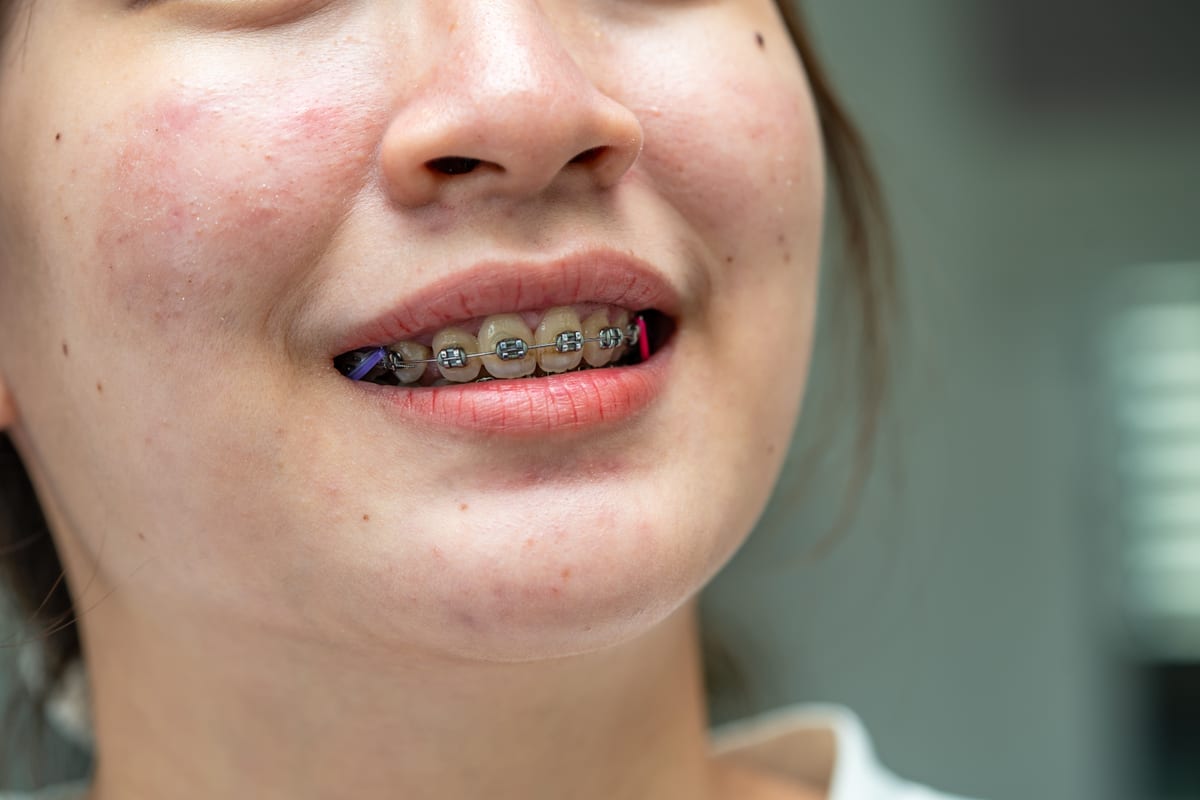
One reason many Cranston adults delay orthodontic treatment is concern about appearance. Traditional metal braces can feel intimidating for working professionals or parents who want a discreet option. Today, that barrier has largely been removed.
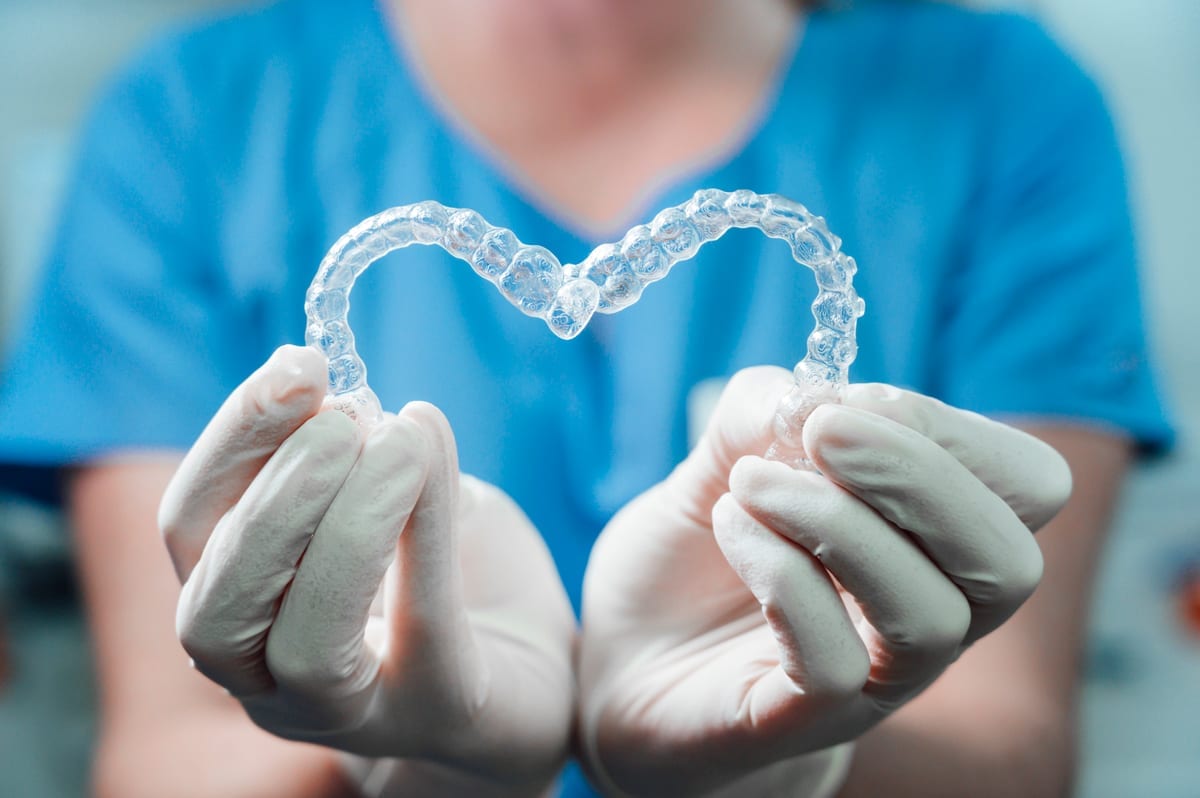
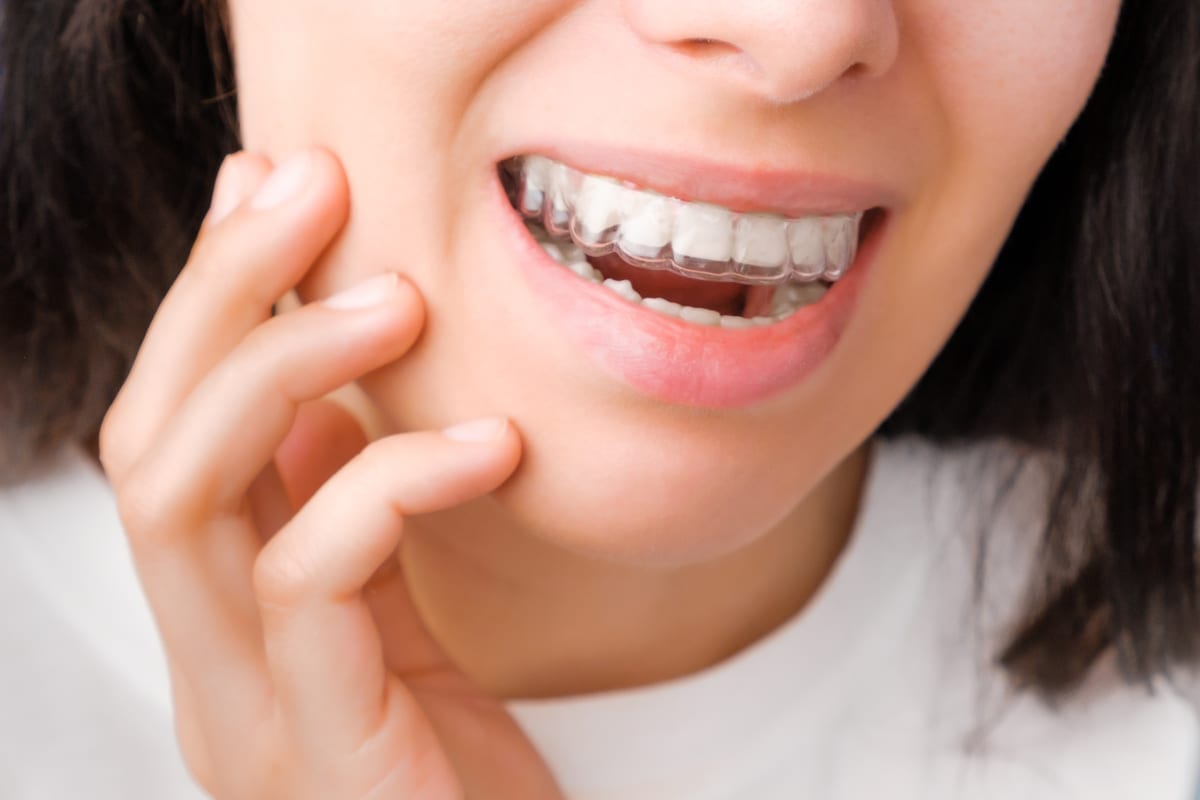
Invisalign uses a series of clear, removable aligners to shift teeth gradually. Most people around you will not even notice you are wearing them. You can remove them to eat, drink, brush, and floss — making daily life much more comfortable.
At Cranston Orthodontics, Dr. Haralambidis offers Invisalign as a highly effective solution for mild to moderate alignment issues. Many adult patients are surprised to learn how much Invisalign can accomplish. Waiting is no longer necessary simply because you prefer a subtle treatment option.
What Happens When You Wait Too Long
Patients who delay orthodontic care for many years sometimes arrive with compounded problems. A misaligned bite may have already caused significant tooth wear. Crowded teeth may have led to recurring decay. The gums may have been affected as well.
In these cases, orthodontic treatment must sometimes be coordinated alongside other dental work. This increases the overall complexity and duration of care. It also means more appointments and a longer road to achieving a healthy, functional smile.
The emotional toll matters too. Many patients who waited describe feeling self-conscious about their teeth for years. They wish they had acted sooner. Addressing the issue — at any age — almost always brings significant confidence and quality-of-life improvements.
Starting Orthodontic Treatment in Cranston: What to Expect
Beginning orthodontic care at Cranston Orthodontics is a straightforward, welcoming process. Dr. Haralambidis takes time to understand your concerns and evaluate your current alignment. There is no pressure — only an honest, thorough assessment.
Your first consultation includes a review of your dental and bite concerns. Dr. Haralambidis will explain which treatment options suit your situation best. He will also give you a realistic sense of treatment length and what results to expect.
From there, the process is thoughtfully paced. Whether you choose traditional braces or Invisalign, your treatment plan is tailored specifically to you. The team at Cranston Orthodontics is here to support you every step of the way.
Conclusion: Don’t Let Delay Define Your Smile
Understanding why delaying orthodontics can cost you more later in Cranston is the first step toward taking action. The longer alignment issues go untreated, the more complicated — and costly — the path to correction becomes. Whether you are an adult who has been putting this off or a parent evaluating options for your child, now is always a better time than later. Book Now to schedule your appointment with our team.
Frequently Asked Questions
At what age should my child first see an orthodontist?
The American Association of Orthodontists recommends an initial evaluation around age seven. At this stage, Dr. Haralambidis can identify developing bite or alignment issues early. Not every child needs treatment immediately, but early assessment expands your options significantly.
Can adults benefit from orthodontic treatment?
Absolutely. Adults of all ages can achieve meaningful results with orthodontic care. Teeth can be moved at any age, though treatment may take slightly longer than in younger patients. Options like Invisalign make adult treatment discreet and comfortable.
What problems can happen if I skip orthodontic treatment entirely?
Untreated alignment issues can lead to tooth decay, gum disease, uneven wear, and jaw discomfort over time. Some patients also develop TMJ-related pain from an improper bite. Addressing these problems before they compound is far more manageable and cost-effective.
Is Invisalign as effective as traditional braces?
For mild to moderate alignment and bite issues, Invisalign is highly effective. Dr. Haralambidis will assess your specific situation and recommend the option best suited to your needs. Many patients achieve excellent results with clear aligners alone.
How long does orthodontic treatment typically take?
Treatment length varies depending on the complexity of your case and the option you choose. Some cases are resolved in as little as six to twelve months. More involved corrections may take longer. Dr. Haralambidis will give you a personalized timeline during your consultation.