59 Phenix Ave Cranston, RI 02920

Many people in Cranston, RI wonder whether their teeth or jaw issues are serious enough to seek orthodontic care. The good news is that more bite problems qualify for treatment than most people realize. If you have been asking yourself whether your bite is a candidate for orthodontic treatment in Cranston, the answer often starts with a single evaluation. Dr. Cosmo Haralambidis at Cranston Orthodontics helps patients understand exactly where they stand and what options make the most sense for their smile.
Bite issues come in many forms, and not all of them are obvious. Some patients notice crooked teeth right away. Others live with jaw discomfort, difficulty chewing, or speech challenges for years before connecting those symptoms to a bite problem. Understanding what orthodontists look for during an evaluation can help you feel more confident walking through the door.
What Does a Bite Problem Actually Mean?
Your bite refers to the way your upper and lower teeth come together when you close your mouth. When that relationship is off, orthodontists call it a malocclusion. Malocclusions range from mild to severe, and they take several distinct forms.
Common bite issues include:
- Overbite: Upper front teeth overlap the lower teeth too much
- Underbite: Lower teeth sit in front of upper teeth when biting down
- Crossbite: Some upper teeth sit inside the lower teeth rather than outside
- Open bite: Front teeth do not touch when back teeth are closed
- Crowding: Teeth overlap or twist because there is not enough space
- Spacing: Gaps exist between teeth due to missing teeth or jaw size differences
Each of these conditions can affect your oral health over time. Misaligned bites create uneven pressure on teeth, which can lead to wear, chipping, and jaw strain. Addressing these issues is not purely cosmetic — it protects your long-term dental health.
Who Is a Good Candidate for Orthodontic Treatment in Cranston?
Candidacy depends on several factors that Dr. Haralambidis assesses during your consultation. Age is one consideration, but it is not the deciding factor many people assume it to be. Children, teens, and adults all benefit from orthodontic treatment at the right time.
Children are often evaluated around age seven. At that stage, the jaw is still developing, which makes it easier to guide growth. Early intervention can prevent more complex problems later. Teens remain the most common orthodontic patients because most permanent teeth have erupted by adolescence.
Adults are excellent candidates as well. Teeth can move at any age as long as the supporting bone and gum tissue are healthy. Many Cranston adults choose treatment after years of avoiding it, and they achieve outstanding results. The main additional consideration for adults is that active gum disease or significant bone loss must be addressed before beginning orthodontic work.
Strong candidacy indicators include:
- Healthy gums with no active periodontal disease
- Enough bone density to support tooth movement
- A genuine commitment to wearing aligners or maintaining appliances
- No untreated cavities that could worsen under orthodontic pressure
- Realistic expectations about treatment timelines
What Does the Orthodontic Evaluation Involve?
The evaluation process at Cranston Orthodontics is thorough but straightforward. Dr. Haralambidis examines your teeth, jaw, and facial structure to build a complete picture of your bite. This is not a one-size-fits-all checklist. Every patient presents differently, and the evaluation reflects that.
During a typical consultation, you can expect the following steps:
- Medical and dental history review: Dr. Haralambidis asks about past dental work, any jaw pain, and your general health history.
- Clinical examination: A hands-on look at your teeth alignment, gum health, and how your jaws move.
- Digital X-rays: These reveal the roots of your teeth and the bone structure beneath the surface.
- Photographs and digital scans: These tools capture your current bite in detail and help plan treatment precisely.
- Treatment discussion: Dr. Haralambidis walks you through findings and explains which approaches match your situation.
This process takes the guesswork out of candidacy. Rather than wondering whether your bite qualifies, you leave with clear answers and a direction forward.
Choosing Between Braces and Invisalign in Cranston
Once candidacy is confirmed, the next question is which treatment method fits best. At Cranston Orthodontics, two primary options are available: traditional braces and Invisalign clear aligners. Each has real advantages depending on the type and complexity of the bite issue.
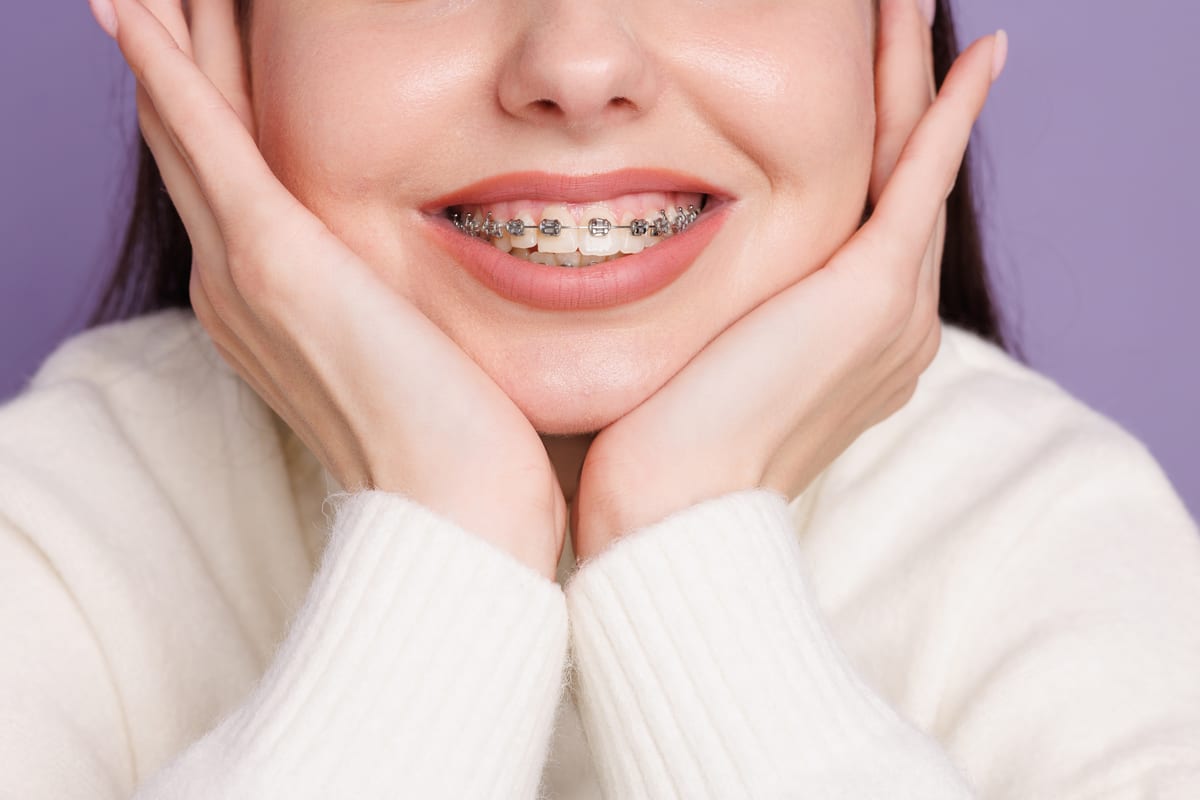
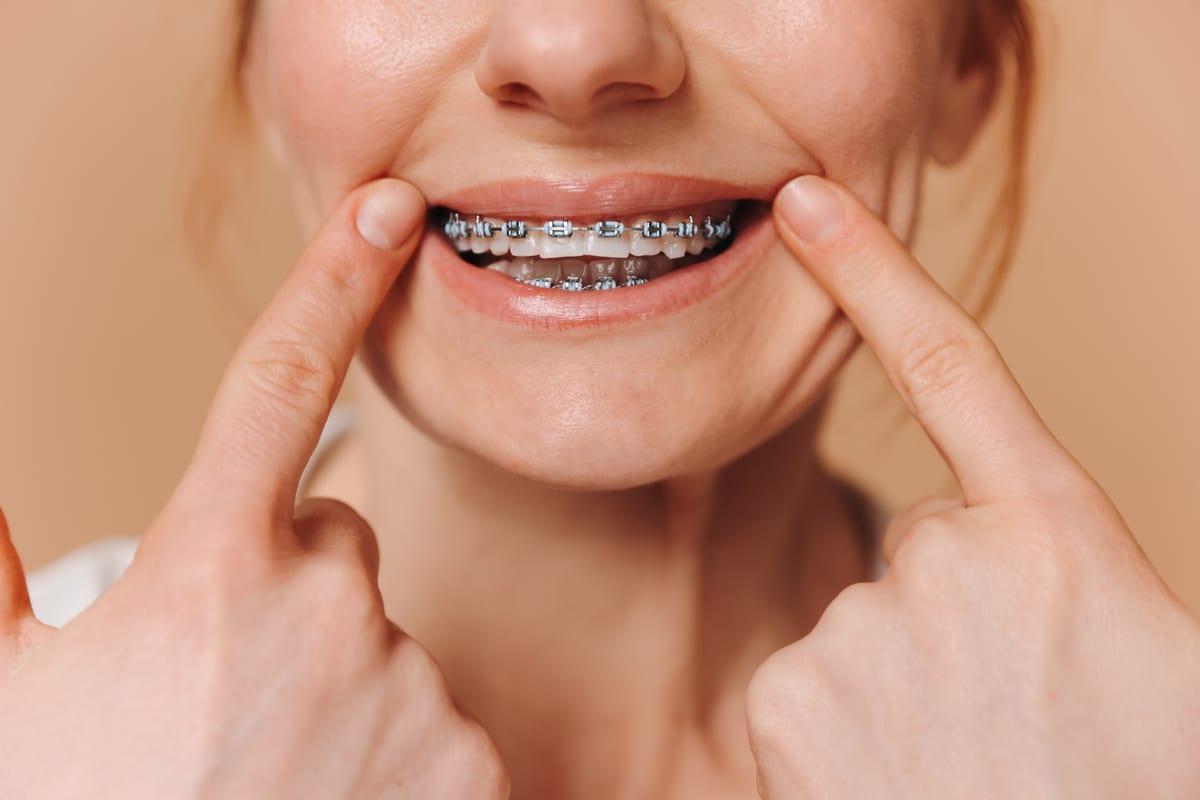
Traditional braces use metal brackets and wires bonded directly to the teeth. They are highly effective for complex cases involving significant crowding, large spacing, or more severe malocclusions. Braces work continuously because they are fixed in place, which can be an advantage for patients who might struggle with aligner compliance.
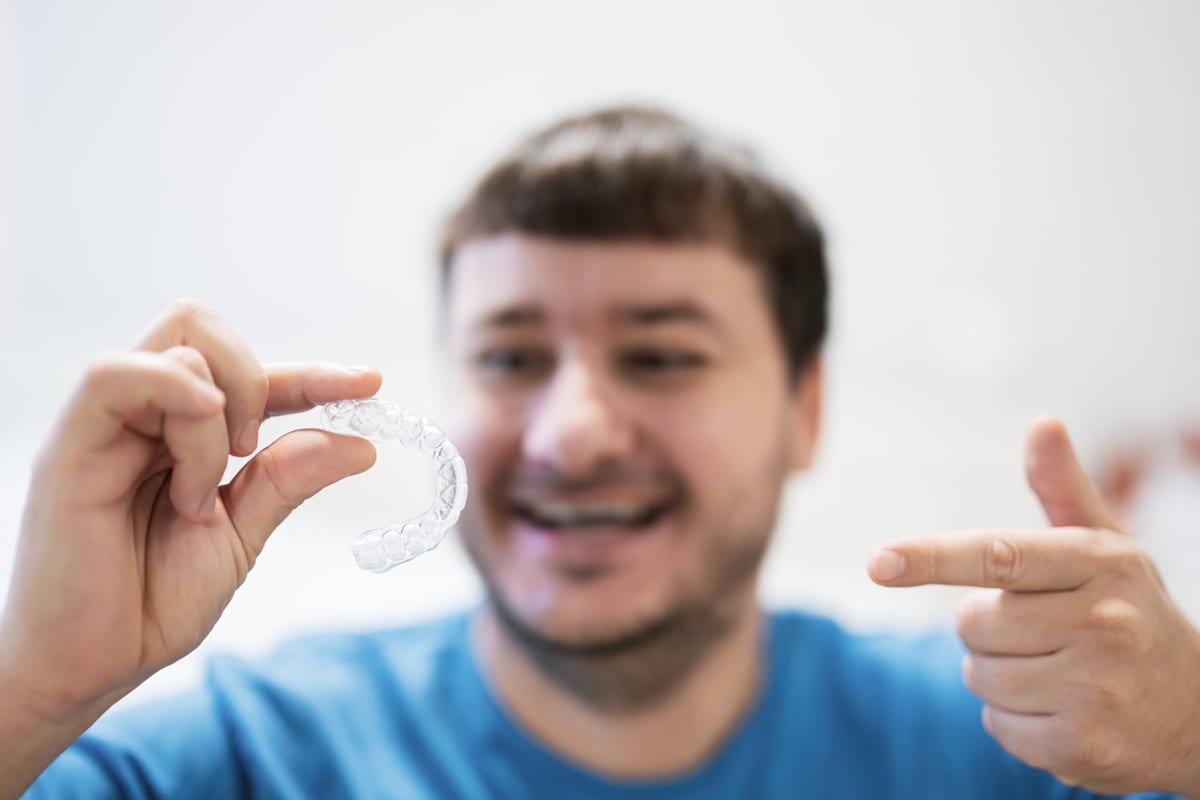
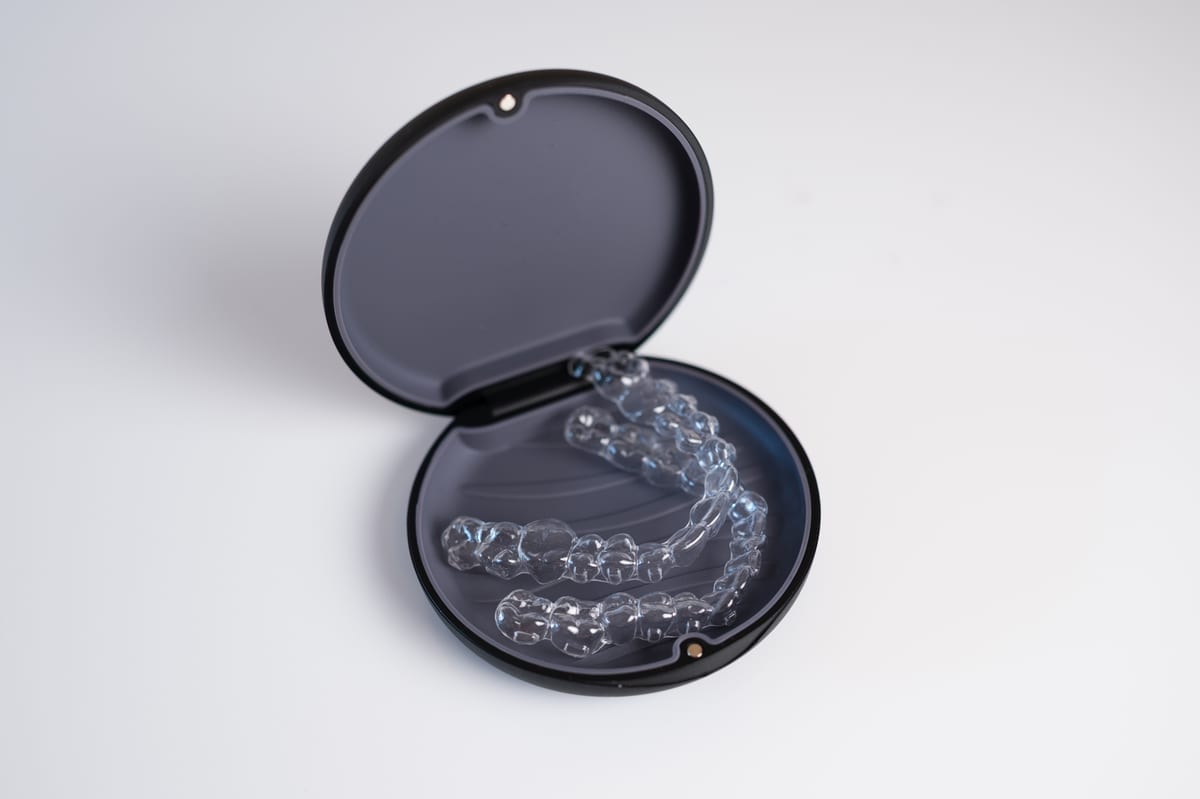
Invisalign uses a series of clear, removable plastic aligners custom-made for your teeth. Each set shifts your bite incrementally over time. Invisalign works very well for mild to moderate bite issues and is especially popular with adult patients in Cranston who prefer a discreet option. The aligners are virtually invisible and can be removed for meals and oral hygiene routines.
The decision between these two approaches is not purely about preference. Certain bite patterns respond better to one method than the other. Dr. Haralambidis will recommend the approach most likely to deliver lasting results for your specific situation.
What Factors Can Affect Your Candidacy?
Some patients arrive at their consultation hoping for a quick fix but discover that a bit of preparation is needed first. This is not uncommon, and it does not mean treatment is out of reach. It simply means the foundation needs attention before orthodontic movement begins.
Gum disease is the most common barrier to starting treatment. Inflamed or infected gum tissue cannot support healthy tooth movement. Once periodontal health is restored, orthodontic treatment becomes a realistic next step. Similarly, untreated cavities should be filled before braces or aligners are placed.
Severe skeletal discrepancies — where the jawbones themselves are significantly misaligned — sometimes require a combination of orthodontic treatment and oral surgery. Dr. Haralambidis will be upfront about these situations and coordinate care with the appropriate specialists when needed.
Finally, patient commitment matters. Orthodontic treatment requires consistent follow-through. Missing appointments or not wearing Invisalign aligners for the recommended hours each day can slow progress and affect results. Understanding this before starting helps patients make informed decisions.
Taking the Next Step Toward a Healthier Bite
If you have been living with crooked teeth, jaw discomfort, or a bite that just does not feel right, an evaluation is the best place to start. Dr. Cosmo Haralambidis and the team at Cranston Orthodontics approach every consultation with patience and care. There is no pressure to commit to anything before you understand your options fully.
Residents across Cranston, RI have access to personalized orthodontic care that takes their unique bite into account. Whether you are exploring treatment for yourself or a child, the first step is simply showing up and asking the right questions. Book Now to schedule your appointment with our team.
Frequently Asked Questions
At what age should a child first see an orthodontist?
Most orthodontists recommend an initial evaluation around age seven. At this stage, the jaw is still developing and the first permanent molars have typically erupted. Early evaluation does not always mean early treatment, but it helps identify any developing bite issues before they become more complex.
Can adults really benefit from orthodontic treatment?
Absolutely. Teeth can move at any age as long as the supporting bone and gum tissue are healthy. Many adults in Cranston choose orthodontic treatment and achieve excellent results. The key is addressing any gum disease or dental concerns before starting.
How do I know if I need braces or Invisalign?
The best way to determine the right treatment is through a professional evaluation. Dr. Haralambidis will assess the complexity of your bite and recommend the approach most suited to your needs. Both options are effective, but certain bite patterns respond better to one method than the other.
Does a bad bite always cause symptoms?
Not always. Some people live with malocclusions for years without obvious discomfort. Others experience jaw pain, headaches, difficulty chewing, or speech issues. Even without symptoms, untreated bite problems can cause gradual wear on the teeth and strain on the jaw joints over time.
How long does orthodontic treatment typically take?
Treatment length varies based on the complexity of the bite issue and the method used. Mild cases may take as little as six to twelve months. More complex situations can take eighteen months to two years or longer. Dr. Haralambidis will give you a realistic timeline during your consultation based on your specific bite.