59 Phenix Ave Cranston, RI 02920

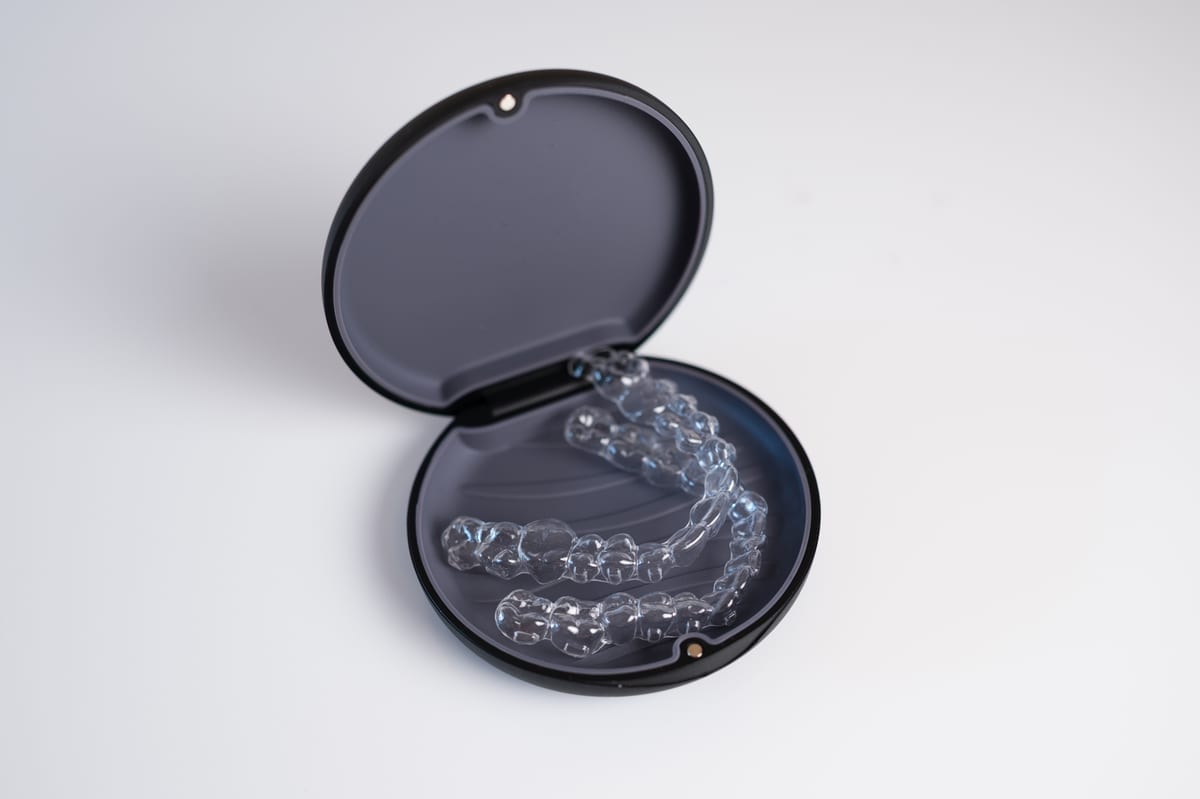
Have you ever wondered what actually happens inside your mouth during Invisalign treatment? Understanding Inside Invisalign: Why Your Teeth Move Every Two Weeks in Cranston helps patients feel confident about every stage of their smile journey. At Cranston Orthodontics, Dr. Cosmo Haralambidis believes educated patients get better results. When you understand the science, you’re more likely to wear your aligners consistently and follow through.
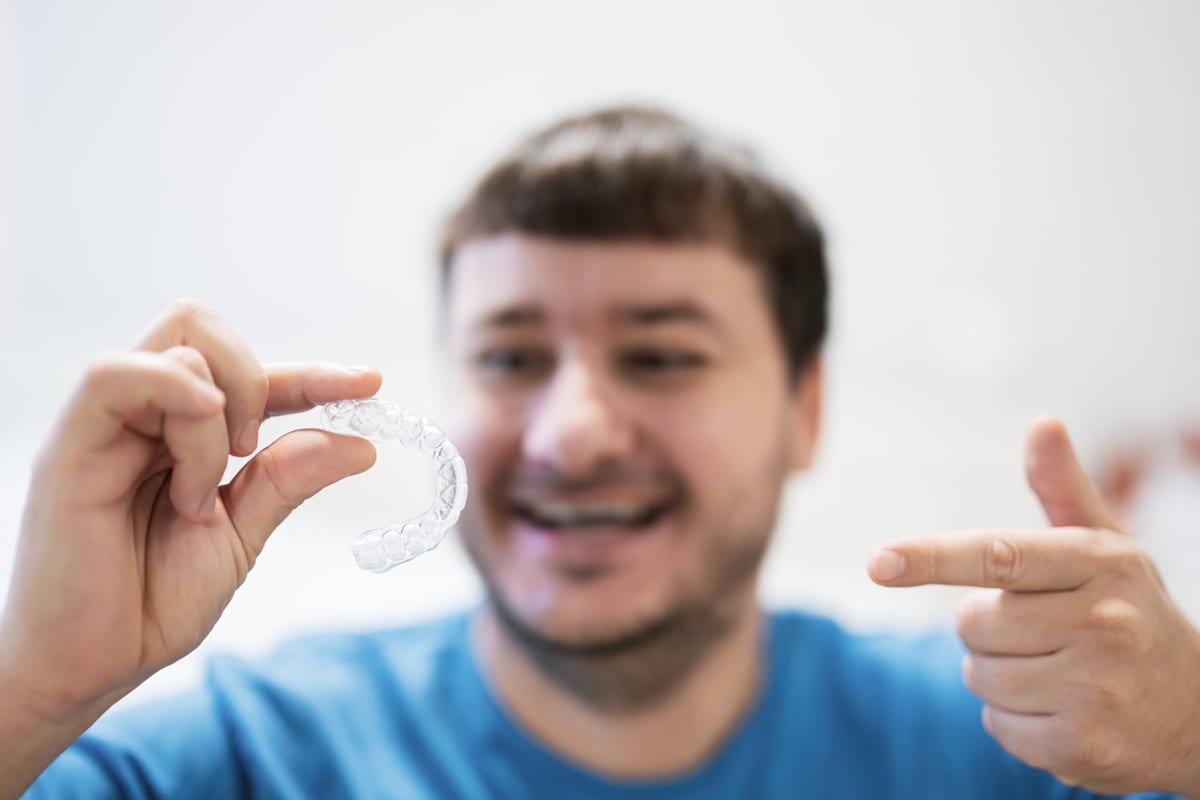
Invisalign is not magic — it’s precise, planned biomechanics. Each aligner tray applies gentle, targeted pressure to specific teeth. That pressure triggers a biological response inside your bone and gum tissue. Over time, your teeth shift into their intended positions.
How Invisalign Actually Moves Teeth: The Science Behind Every Tray
Your teeth are not anchored rigidly in your jaw. They sit inside a soft tissue called the periodontal ligament. This ligament acts like a cushion between each tooth and the surrounding bone. When pressure is applied, it signals bone cells to break down on one side and rebuild on the other.
This process is called bone remodeling. It’s the same biological mechanism used in traditional braces. Invisalign aligners trigger this same response using smooth, custom-fitted plastic trays. The difference is that each tray is designed to move only specific teeth by very small increments — usually 0.25 to 0.33 millimeters per step.
This tiny movement per tray is intentional. Too much force at once can damage roots and slow treatment. Small, consistent pressure produces safer, more predictable results. That’s why every single tray in your series matters.
Why the Two-Week Aligner Change Schedule Exists in Cranston
The two-week interval is not arbitrary. It takes approximately 10 to 14 days for bone remodeling to reach a stable point. Changing aligners before that window closes risks moving teeth before bone has had time to consolidate. Waiting too long means losing momentum in your treatment plan.
Dr. Haralambidis customizes this schedule based on each patient’s biology and case complexity. Some patients move to new trays every seven days. Others need the full two weeks or slightly longer. Your Cranston Orthodontics treatment plan reflects your unique anatomy and goals.
Wearing your aligners for 20 to 22 hours per day is essential to this schedule. Every hour you skip reduces the cumulative pressure applied to your teeth. Inconsistent wear is the most common reason treatments run longer than expected. Consistency is what keeps the two-week schedule on track.
Understanding Attachments and How They Help Move Difficult Teeth
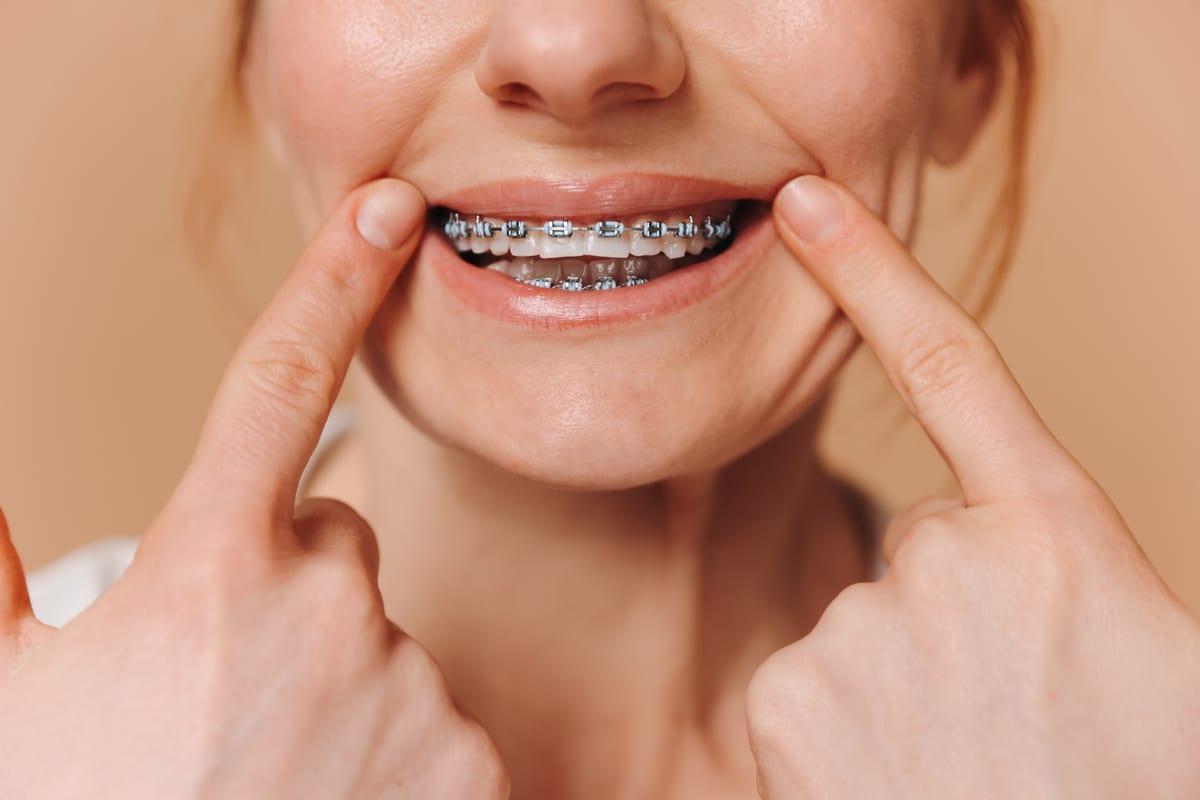
Some teeth are harder to move than others. Canines, for example, have long roots and resist simple tipping movements. To solve this, Invisalign uses attachments — small tooth-colored dots bonded directly to the enamel. These act as handles that give the aligner something to grip.
Attachments allow aligners to apply more complex forces. Instead of just pushing a tooth sideways, they can rotate it, tip it, or pull it vertically. Without attachments, certain movements would be impossible with clear aligners alone. Dr. Haralambidis places attachments strategically based on your digital treatment plan.
Here are some key facts about Invisalign attachments:
- They are made from tooth-colored composite resin
- They are bonded to specific teeth early in treatment
- They are removed painlessly at the end of your treatment
- They do not damage enamel when properly removed
- Most patients barely notice them after the first week
Attachments are not a sign that your case is complicated. They simply expand what aligners can accomplish. Many straightforward cases still use a few attachments for precise control.
What Are Refinements and When Do They Happen?
Even with careful planning, teeth don’t always move exactly as predicted. Bone density, gum health, and aligner wear time all influence outcomes. Refinements are additional sets of aligners created mid-treatment or at the end to fine-tune your results.
Think of refinements as a course correction. Dr. Haralambidis takes new impressions or scans at a check-up appointment. Those records feed into a revised digital plan. A new series of aligners is then manufactured to finish the job.
Refinements are a normal part of the Invisalign process — not a failure. Most comprehensive cases include at least one refinement phase. Knowing this in advance removes any surprise or frustration if your treatment extends slightly beyond the original timeline.
This process applies across different age groups. Whether you’re an adult or a teenager, the biology is similar. At Cranston Orthodontics, we offer Orthodontics For Teens Cranston to guide younger patients through the same precise aligner process with age-appropriate support.
Step-by-Step: What to Expect During Your Invisalign Journey
Many patients feel anxious because they don’t know what each appointment will involve. Breaking the journey into clear steps removes that uncertainty. Here is what a typical Invisalign experience looks like at Cranston Orthodontics:
- Initial consultation: Dr. Haralambidis evaluates your bite, teeth, and jaw structure.
- Digital scan: A 3D scan replaces traditional impressions for greater accuracy.
- ClinCheck review: You see a digital animation of your predicted tooth movement before treatment starts.
- Aligner delivery: You receive your first sets of trays along with wear instructions.
- Check-up appointments: You visit every 6 to 8 weeks so Dr. Haralambidis can monitor progress.
- Refinements (if needed): New scans and trays are created to complete your smile.
- Retainer phase: Custom retainers preserve your results long-term.
Each phase builds on the last. Skipping steps or missing appointments can disrupt the carefully planned sequence. Staying engaged throughout the process leads to the best possible outcome.
We also offer Orthodontics For Children Cranston for younger patients who may benefit from early orthodontic guidance before Invisalign becomes appropriate.
Benefits of Knowing How Your Treatment Works
Patients who understand their treatment wear aligners more faithfully. They attend check-up appointments consistently. They raise concerns early when something feels off. Knowledge transforms a passive experience into an active partnership.
Here are the key benefits of staying informed during Invisalign treatment:
- Higher aligner compliance leads to faster results
- You can identify problems — like a cracked tray — before they delay treatment
- You feel confident asking questions at each appointment
- You understand why each step matters, reducing anxiety
- You are better prepared for refinements if they become necessary
Dr. Haralambidis and the team at Cranston Orthodontics take time at every visit to explain what’s happening. No question is too small. An informed patient is always our goal.
Your Next Step Toward a Straighter Smile in Cranston
Now that you understand the science behind every aligner change, the two-week schedule makes complete sense. Bone remodeling takes time. Attachments expand what’s possible. Refinements fine-tune your final result. Every element of Invisalign is designed with precision and your biology in mind.
Dr. Cosmo Haralambidis and the Cranston Orthodontics team are here to walk you through every step. We serve patients throughout Cranston, RI with personalized, evidence-based orthodontic care. Your smile transformation starts with a single conversation. Book Now to schedule your appointment with our team.
Frequently Asked Questions
How often should I change my Invisalign aligners?
Most patients switch to a new tray every one to two weeks. Dr. Haralambidis will set your exact schedule based on your individual treatment plan. Following that schedule closely is the most important factor in staying on track. Changing trays too early or too late can affect your final results.
Does switching aligners every two weeks hurt?
Most patients feel mild pressure or soreness for the first day or two after switching to a new tray. This discomfort is a normal sign that the aligner is working. It typically fades within 48 hours as your teeth begin adjusting. Over-the-counter pain relievers can help if needed.
What happens if I lose or break an aligner tray?
Contact Cranston Orthodontics as soon as possible if you lose or damage a tray. Dr. Haralambidis may recommend moving forward to the next tray or going back to the previous one temporarily. Do not skip trays without guidance, as this can disrupt your planned tooth movement sequence.
How long does a full Invisalign treatment take in Cranston?
Treatment length varies depending on the complexity of your case. Mild corrections may take as little as six months. More comprehensive cases typically range from 12 to 18 months. Dr. Haralambidis will give you a realistic timeline estimate after your initial consultation and digital scan.
Are refinements included in my Invisalign treatment?
Invisalign’s comprehensive treatment packages typically include refinements within a set period. Dr. Haralambidis will review exactly what your plan covers during your consultation. Refinements are a routine part of achieving precise final results and are not an indication that something went wrong.