59 Phenix Ave Cranston, RI 02920

Starting orthodontic treatment is a big decision. It is completely normal to have questions before your first appointment. We hear the same concerns from new patients in Johnston every week. This guide answers the 5 Orthodontics Questions New Patients Ask Before Treatment in Johnston so you can feel confident and informed from day one. Dr. Cosmo Haralambidis and the team at Cranston Orthodontics are here to make the process clear and stress-free.
Question 1: Am I a Good Candidate for Orthodontic Treatment?
This is the first thing most new patients want to know. The honest answer is that orthodontic treatment works for a wide range of ages and concerns. Children, teens, and adults all benefit from treatment at Cranston Orthodontics.
Common issues that orthodontics can address include:
- Crowded or overlapping teeth
- Gaps between teeth
- Overbite, underbite, or crossbite
- Misaligned jaw positioning
- Crooked teeth affecting confidence or function
The only way to know for certain is through a consultation. Dr. Haralambidis will evaluate your teeth, jaw, and overall oral health. From there, he will recommend the right treatment path for your specific situation.
Question 2: What Are My Treatment Options in Johnston?
Patients in Johnston often ask whether they have choices beyond traditional metal braces. The good news is that Cranston Orthodontics offers multiple proven options. Understanding your choices helps you feel more in control of your treatment journey.
The two primary options available are:
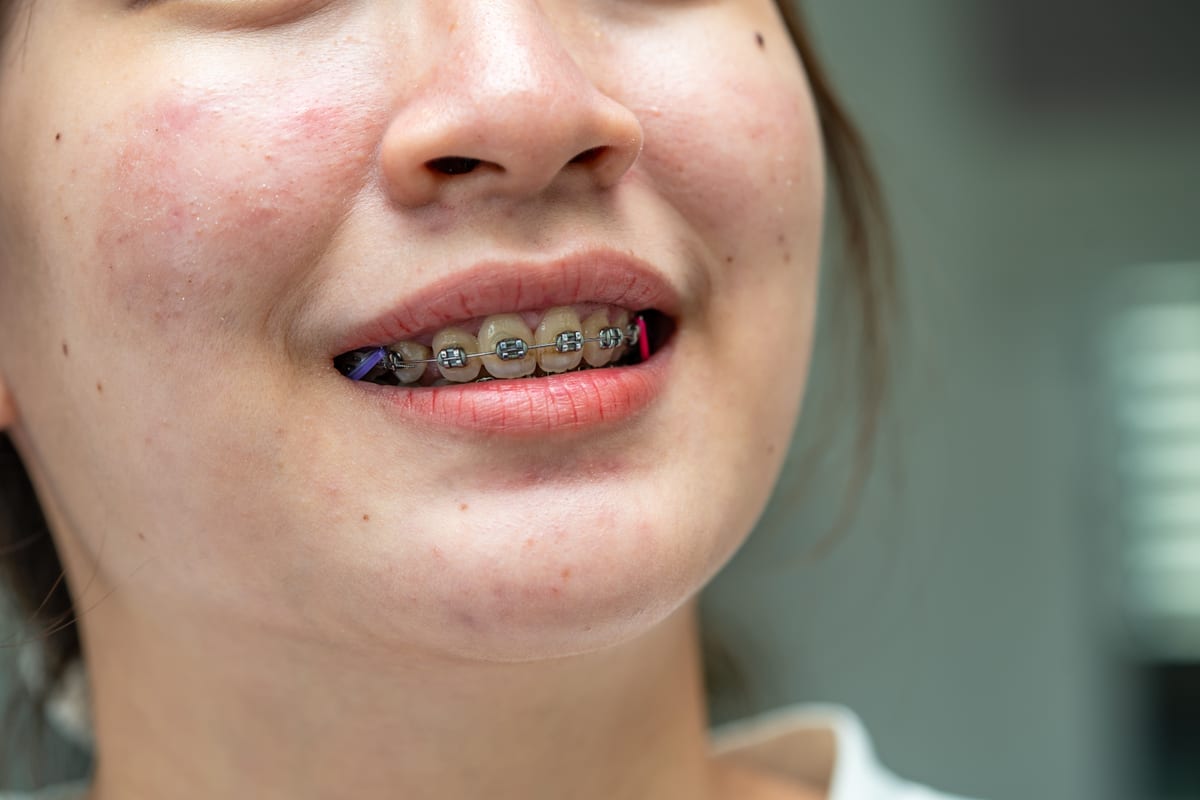
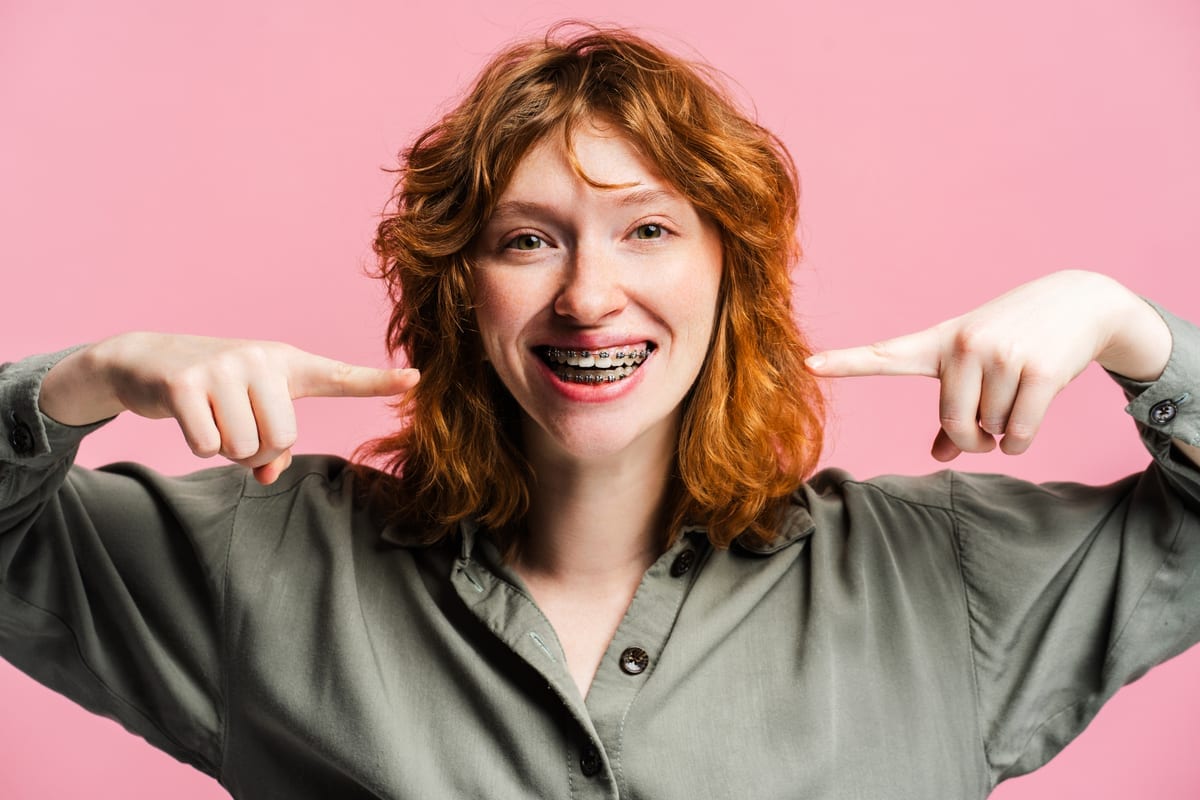
- Traditional braces: Metal brackets and wires that gradually shift teeth into alignment. They are highly effective for complex cases.
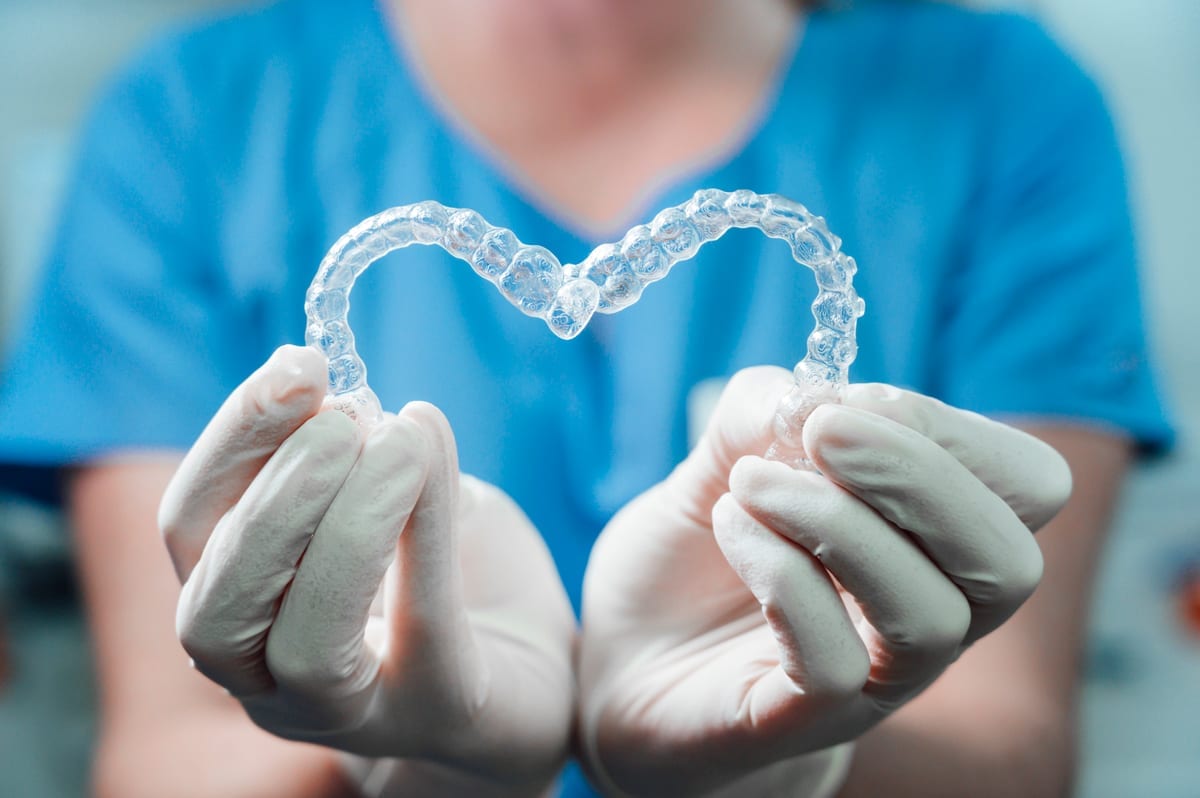
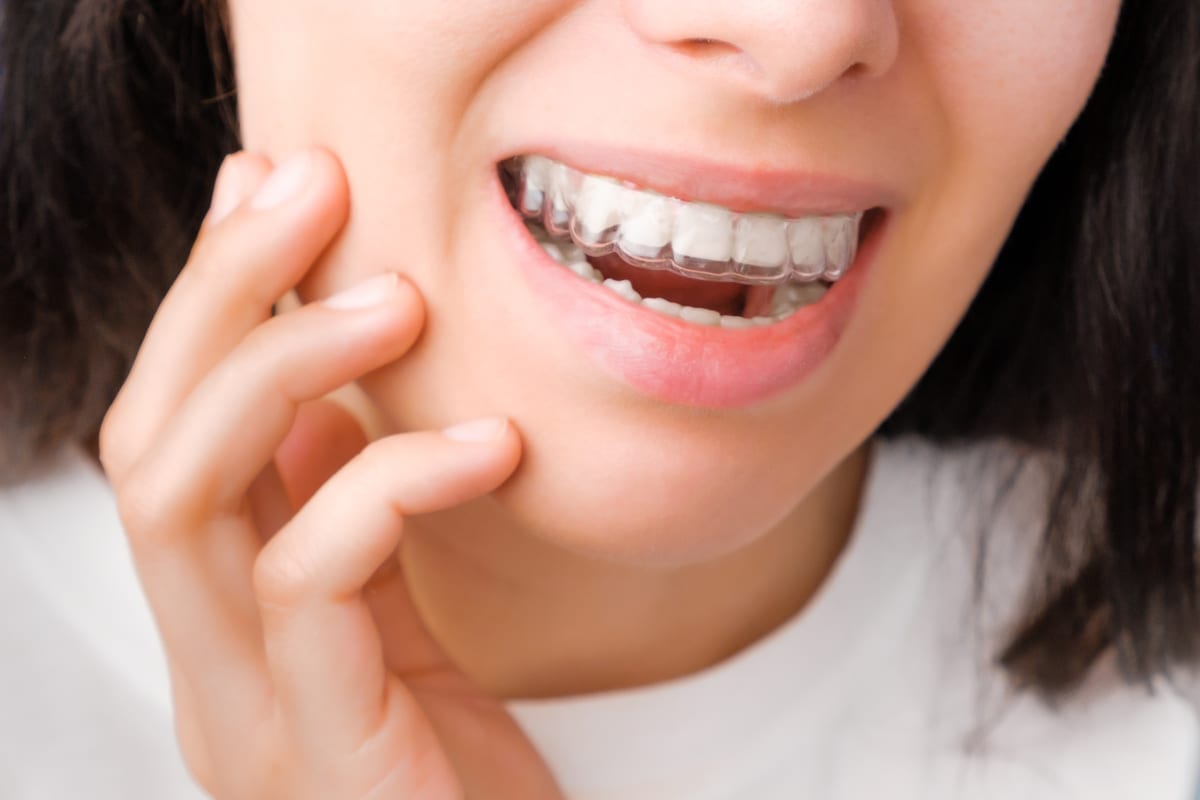
- Invisalign: Clear, removable aligners that straighten teeth discreetly. They are popular with teens and adults who prefer a less noticeable option.
Both options can deliver excellent results. Dr. Haralambidis will explain which approach suits your specific needs. The right choice depends on your bite, lifestyle, and personal preferences.
Question 3: How Long Will Treatment Take?
Treatment timelines are one of the most common questions we hear. Every patient’s case is different, so there is no single answer. However, understanding the general range helps set realistic expectations.
Most orthodontic treatment takes between 12 and 24 months. Mild cases may finish sooner. More complex bite issues may take a bit longer. Several factors influence your timeline:
- The severity of misalignment or bite issues
- Whether you choose braces or Invisalign
- How consistently you follow care instructions
- Your age and how quickly your teeth respond to movement
With Invisalign, wearing your aligners for the recommended 20 to 22 hours per day is critical. Missing hours regularly can extend your treatment. Dr. Haralambidis will give you a personalized estimate during your initial consultation.
How Comfortable Is Orthodontic Treatment?
Many new patients worry about pain and discomfort. This concern is completely understandable. The truth is that modern orthodontics is far more comfortable than most people expect.
After braces are placed or a new set of Invisalign aligners is started, some pressure or mild soreness is normal. This usually lasts two to three days. Over-the-counter pain relievers and soft foods can help during this adjustment period.
Traditional braces may occasionally cause minor irritation to the cheeks or lips. Orthodontic wax can relieve this quickly. Invisalign aligners have smooth edges, which many patients find more comfortable overall. The team at Cranston Orthodontics will walk you through exactly what to expect so nothing catches you off guard.
Question 5: What Happens After My Treatment Ends?
Completing active treatment is a major milestone. But many Johnston patients ask what comes next. Retention is the phase that follows active orthodontic treatment, and it is just as important as the treatment itself.
After your braces come off or you finish your final Invisalign aligners, Dr. Haralambidis will fit you with a retainer. Retainers hold your teeth in their new positions while the surrounding bone and tissue stabilize. Without a retainer, teeth can gradually shift back over time.
Most patients wear retainers full-time at first, then transition to nighttime wear. There are removable retainers and fixed retainers bonded behind the teeth. Dr. Haralambidis will recommend the best type for your situation. Following retainer instructions protects everything you worked hard to achieve.
Starting Your Orthodontic Journey in Johnston
Taking that first step toward a straighter smile can feel overwhelming. But having clear answers to your biggest questions makes it much easier. The team at Cranston Orthodontics works with patients from Johnston every day, and we understand your concerns deeply.
Dr. Cosmo Haralambidis is committed to creating personalized treatment plans that fit your life, your goals, and your timeline. Whether you are interested in traditional braces or Invisalign, you will receive honest guidance every step of the way. We believe informed patients make the best decisions for their oral health.
If you are ready to take the next step, we would love to meet you. Book Now to schedule your appointment with our team.
Frequently Asked Questions
How old do you have to be to start orthodontic treatment?
Orthodontic treatment is available for children, teens, and adults. The American Association of Orthodontists recommends a first evaluation around age seven. However, treatment can begin at almost any age depending on the individual case.
Is Invisalign as effective as traditional braces?
Invisalign is highly effective for mild to moderate alignment issues. For more complex bite problems, traditional braces may be the more appropriate choice. Dr. Haralambidis will evaluate your case and recommend the option most likely to deliver the best results.
How often will I need to come in for appointments?
Most patients visit Cranston Orthodontics every six to ten weeks during active treatment. These check-ups allow Dr. Haralambidis to monitor progress and make any necessary adjustments. Regular visits are essential to keeping your treatment on track.
Will orthodontic treatment affect how I speak?
Some patients notice a slight change in speech during the first week of wearing braces or new Invisalign aligners. This is temporary and typically resolves quickly as you adjust. Most people adapt within a few days.
What should I do if something breaks or feels wrong during treatment?
Contact Cranston Orthodontics as soon as possible if a bracket breaks, a wire pokes, or an aligner cracks. Minor issues can often be managed at home temporarily, but the team will advise you on next steps. Do not wait until your next scheduled visit if something feels significantly uncomfortable.