59 Phenix Ave Cranston, RI 02920


Understanding what happens during each stage of orthodontic treatment in Johnston can make the whole process feel much less intimidating. Many patients come to us nervous about the unknown. At Cranston Orthodontics, Dr. Cosmo Haralambidis and his team believe that informed patients are confident patients. This guide walks you through every phase — from your first consultation to the day your braces or aligners come off.
Stage One: Your Initial Consultation and Treatment Planning in Johnston
Every orthodontic journey begins with a thorough consultation. Dr. Haralambidis examines your teeth, jaw alignment, and bite pattern in detail. He takes X-rays, photographs, and sometimes digital scans of your mouth. This information creates the foundation for a completely personalized treatment plan.
During this visit, you will discuss your goals openly. Some patients want straighter teeth for confidence. Others need correction for bite issues that affect chewing or speaking. Dr. Haralambidis listens carefully and recommends the best approach — whether traditional braces or Invisalign clear aligners.
Here is what typically happens at your first appointment:
- A full clinical exam of your teeth and gums
- Digital X-rays and intraoral photographs
- A detailed discussion of your smile goals
- A review of your recommended treatment options
- An estimated timeline for your unique case
You leave this appointment with a clear roadmap. Nothing moves forward until you feel comfortable and fully informed.
Stage Two: Getting Started — Braces or Invisalign Placement
Once you approve your treatment plan, the next stage involves placing your orthodontic appliances. If you choose traditional braces, Dr. Haralambidis bonds small brackets directly to each tooth. A wire threads through the brackets and applies gentle, consistent pressure. The appointment typically takes one to two hours.
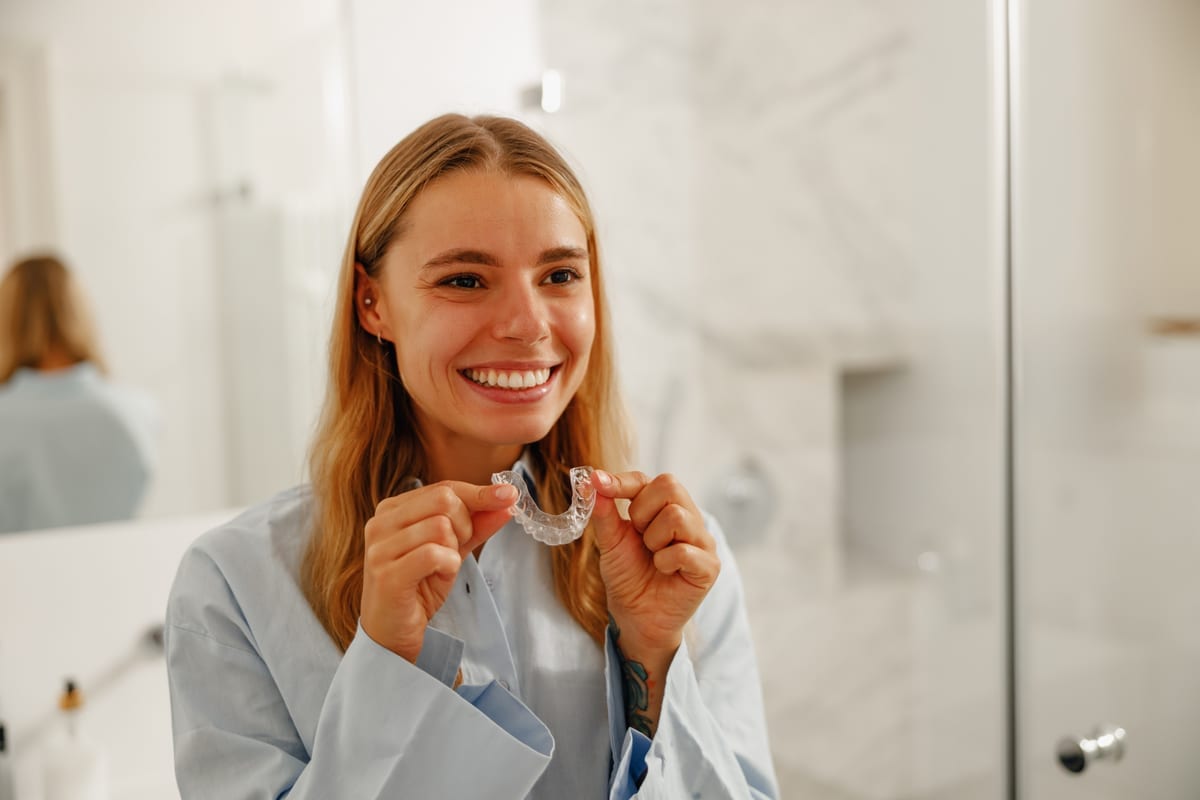
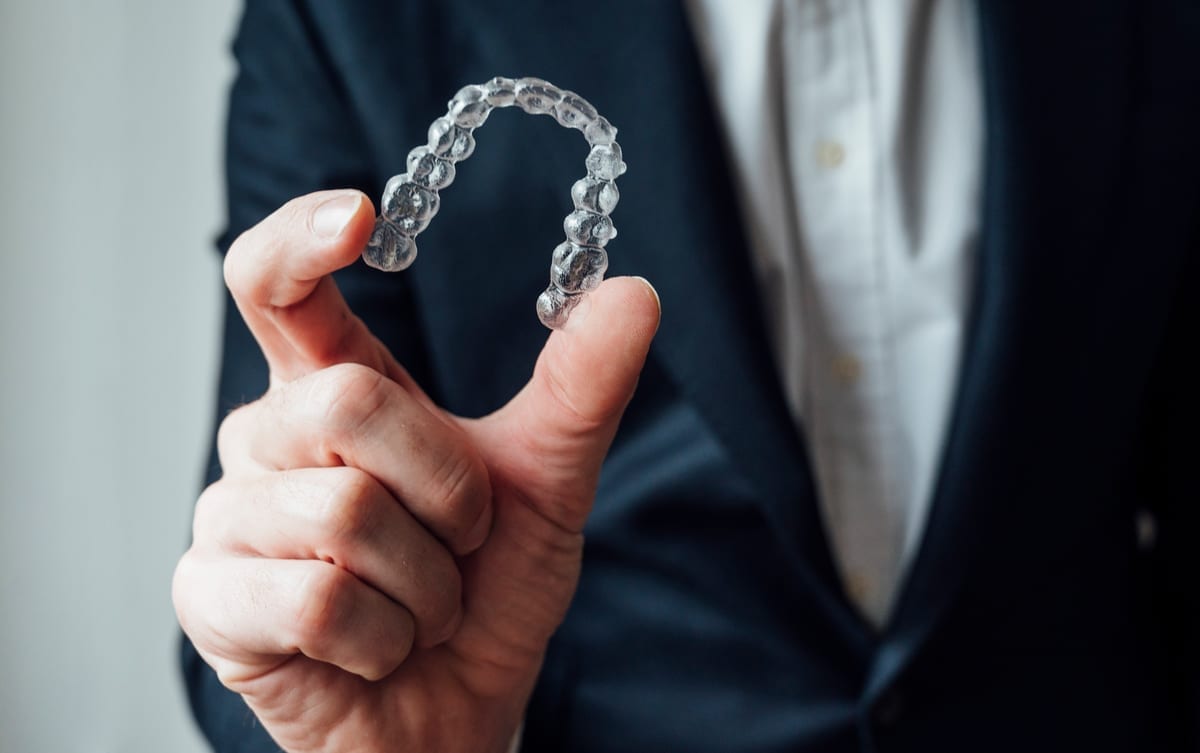
If you choose Invisalign, the process looks a little different. Dr. Haralambidis takes precise digital impressions of your teeth. These impressions go to the Invisalign lab, which custom-fabricates a series of clear aligners for your case. Small tooth-colored attachments may be bonded to certain teeth to help the aligners grip properly.
Many patients ask about discomfort during this stage. Here is what to expect:
- Mild pressure or soreness in the first few days
- Sensitivity when biting down on food initially
- Slight irritation from brackets or aligner edges early on
- Noticeable improvement in comfort within one to two weeks
Our team provides wax for braces patients and specific care instructions for Invisalign wearers. Discomfort is normal and temporary. Most patients adjust quickly.
Stage Three: Active Treatment and Regular Adjustment Visits
This is the longest phase of your orthodontic treatment in Johnston. It typically lasts anywhere from several months to a few years, depending on your case complexity. During this stage, your teeth gradually shift into their ideal positions.
Braces patients return to our office approximately every six to eight weeks for adjustments. Dr. Haralambidis changes the wire or adjusts tension during these short appointments. Each adjustment builds on the progress of the last visit. You may feel mild pressure for a day or two after each appointment — this is a sign your teeth are moving correctly.
Invisalign patients move through a series of aligner trays at home. You change to a new set roughly every one to two weeks. You still visit us regularly so Dr. Haralambidis can monitor your progress. If teeth are not tracking as expected, he can make quick mid-course corrections.
Keeping teeth clean during this stage is especially important. Plaque buildup around brackets or under aligners can affect your results. Our team coaches you on the best brushing and flossing techniques throughout active treatment.
Stage Four: Finishing Touches and Debonding
As your treatment nears completion, Dr. Haralambidis enters a refinement phase. He evaluates your bite, spacing, and alignment with a critical eye. Small adjustments ensure everything is exactly right before appliances come off. This attention to detail is what separates a good result from a great one.
For braces patients, debonding is an exciting appointment. Dr. Haralambidis removes the brackets and wire carefully. The bonding material is polished off, and your teeth are thoroughly cleaned. Many patients describe this moment as one of the most rewarding experiences of the entire process.
Invisalign patients finish their final aligner tray and then visit us for a review appointment. Dr. Haralambidis confirms the bite is ideal and makes any last refinements if needed. Either way, seeing your new smile for the first time is a memorable moment for everyone in the office.
Stage Five: Retention — Protecting Your Results Long-Term
Many people overlook this final stage, but retention is just as important as active treatment. Teeth have a natural tendency to drift back toward their original positions. Wearing retainers prevents this from happening. Dr. Haralambidis provides every patient with a customized retention plan.
Most patients receive both a fixed retainer and a removable retainer. A fixed retainer is a thin wire bonded behind your front teeth. A removable retainer is worn nightly or as directed. Together, they keep your smile stable for the long term.
Retention is not a burden — it is a small investment that protects everything you worked for. Dr. Haralambidis and his team remain available throughout this phase to answer questions and check your progress at follow-up appointments.
Whether you live in Johnston or the surrounding communities, understanding what happens during each stage of orthodontic treatment in Johnston helps you commit to the process with confidence. The team at Cranston Orthodontics is with you at every step. Book Now to schedule your appointment with our team.
Frequently Asked Questions
How long does orthodontic treatment typically take in Johnston?
Treatment length varies based on the complexity of each case. Most patients complete treatment in 12 to 24 months. Simple cases may finish sooner. Dr. Haralambidis gives you a personalized timeline estimate at your initial consultation.
Is orthodontic treatment painful at each stage?
Mild discomfort is common after each adjustment or when switching to a new aligner tray. This pressure sensation usually fades within one to three days. Over-the-counter pain relievers and soft foods help during those periods. Our team provides tips to manage comfort throughout every stage.
Can adults in Johnston go through orthodontic treatment?
Absolutely. Orthodontic treatment is effective for patients of all ages. Many adults choose Invisalign because the clear aligners are discreet and removable. Dr. Haralambidis treats teen and adult patients and tailors each plan to their lifestyle and goals.
What is the difference between braces and Invisalign during treatment?
Braces use fixed brackets and wires that Dr. Haralambidis adjusts at each visit. Invisalign uses a series of removable clear aligners you swap out at home. Both are effective options. The best choice depends on your specific bite issues, lifestyle preferences, and treatment goals.
How do I care for my teeth during each stage of orthodontic treatment?
Good oral hygiene is essential throughout treatment. Braces patients should brush after every meal and floss with a threader or water flosser daily. Invisalign patients should remove aligners before eating and brush before reinserting them. Our team demonstrates proper techniques and provides personalized guidance at each visit.