59 Phenix Ave Cranston, RI 02920

Choosing between Invisalign and traditional braces is one of the most common questions adults face. When it comes to Invisalign vs. braces for adults in Cranston, there is no single right answer. The best choice depends on your lifestyle, dental needs, and personal priorities. Dr. Cosmo Haralambidis at Cranston Orthodontics helps patients weigh these options every day.
Both treatments can deliver beautiful, lasting results. But they work differently, feel different, and suit different people. This article breaks down the key differences so you can make a confident, informed decision.
Comfort and Day-to-Day Experience: Invisalign vs. Braces for Adults
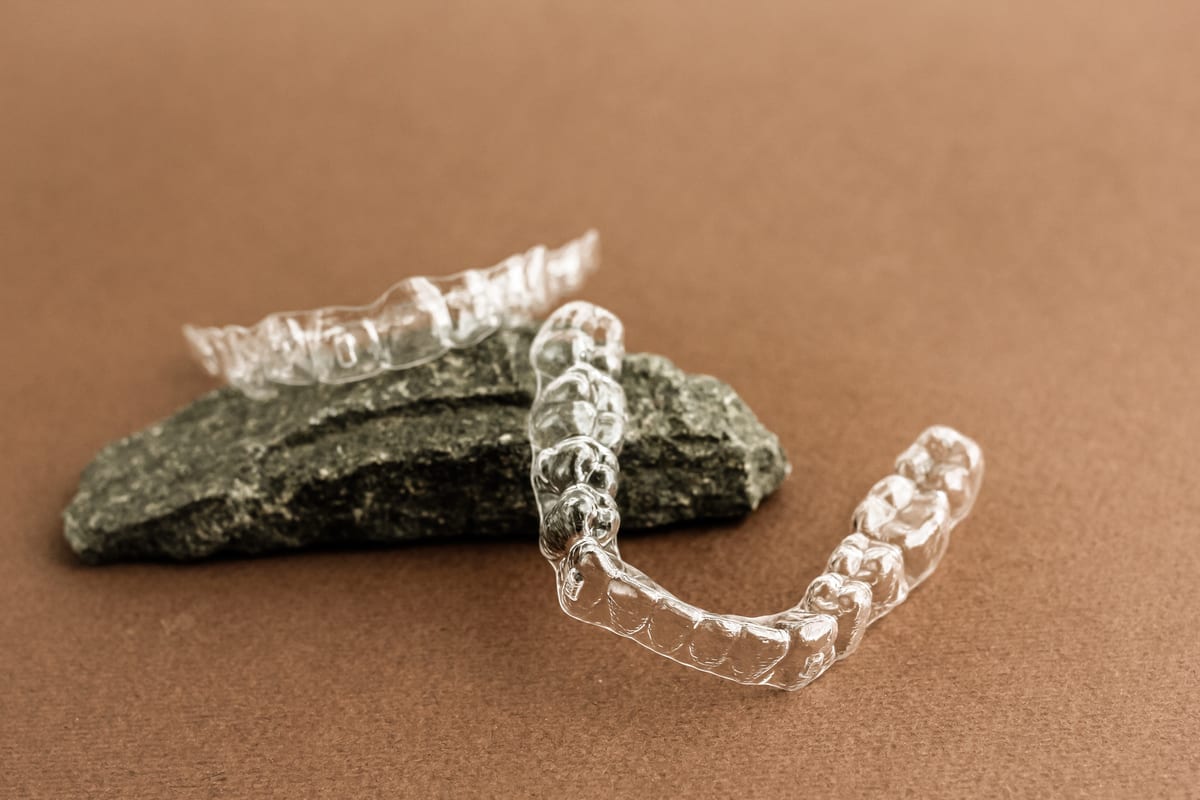
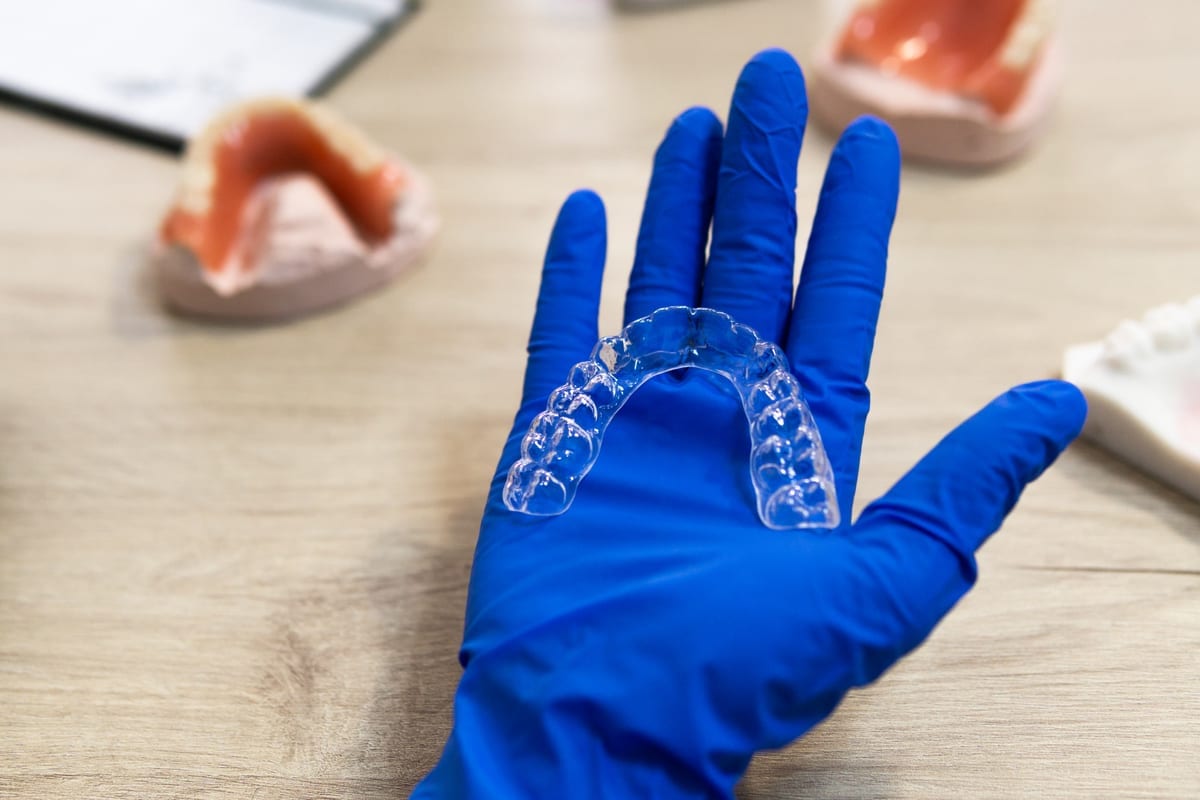
Comfort matters — especially for adults managing busy schedules. Invisalign aligners are made from smooth, flexible plastic. They have no metal wires or brackets to irritate your cheeks or gums. Most patients report a shorter adjustment period with Invisalign compared to braces.
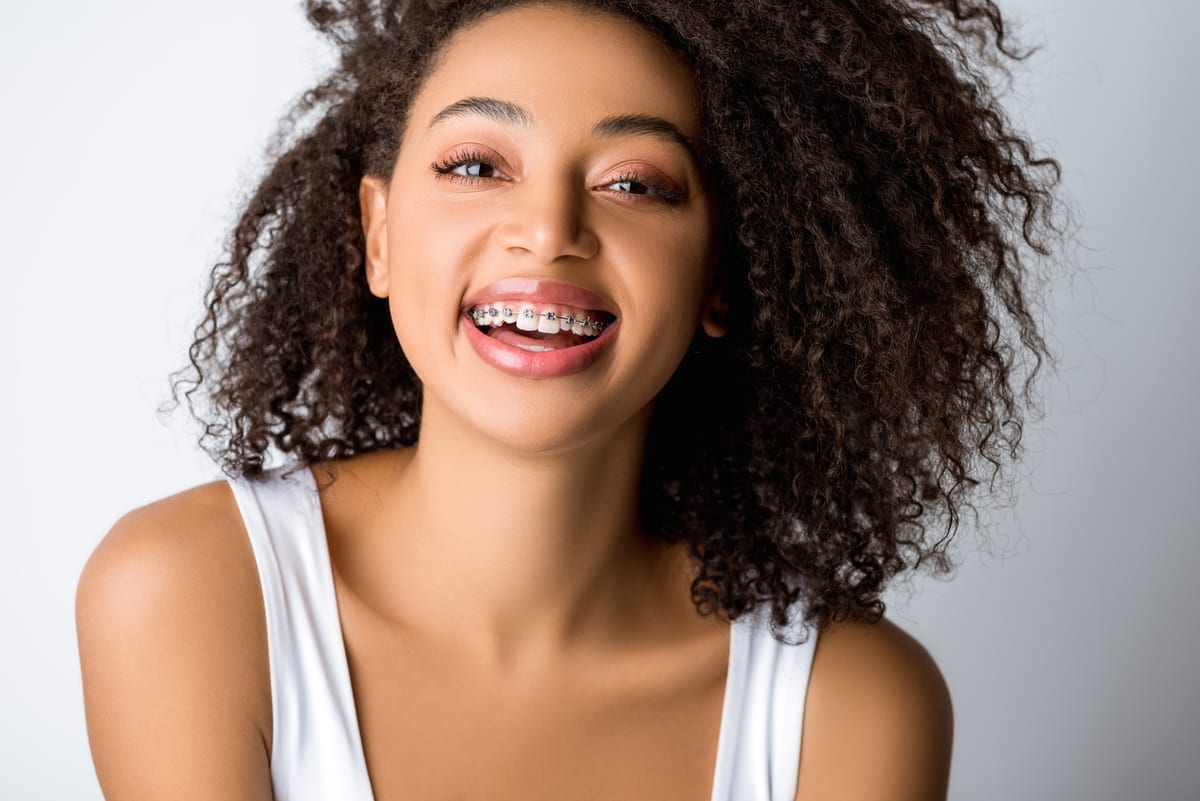
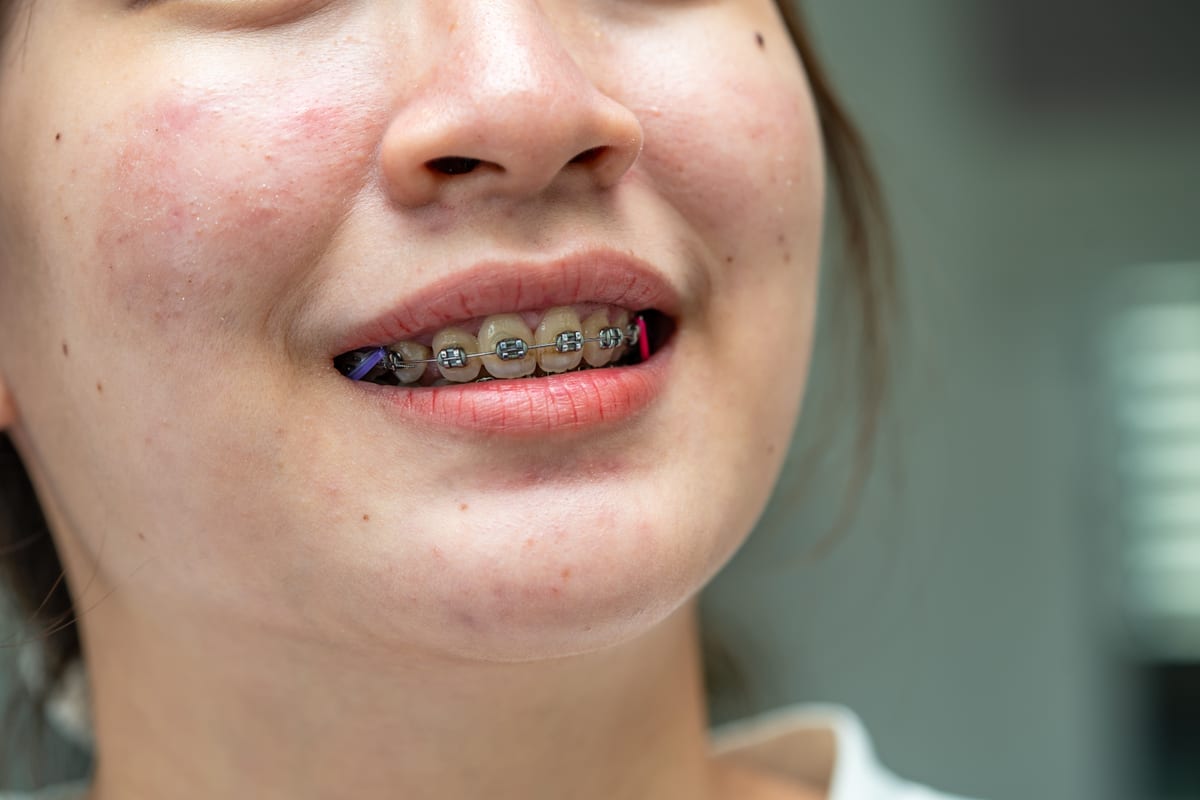
Traditional braces use brackets bonded to your teeth and connected by wires. Your orthodontist tightens these wires at each visit. This tightening can cause soreness for a day or two after each appointment. The discomfort is manageable but worth factoring into your decision.
Invisalign aligners are removable. You take them out to eat, drink, and clean your teeth. This freedom is a major quality-of-life benefit for adults. Braces stay on 24/7, which limits what you can eat and requires more careful cleaning routines.
Appearance and Visibility: A Key Factor for Adult Patients in Cranston
One of the biggest reasons adults choose Invisalign is aesthetics. The clear aligners are nearly invisible when worn. Most people will not notice them during conversations or in photos. This makes Invisalign especially popular among working professionals in Cranston.
Traditional metal braces are immediately noticeable. Ceramic braces exist as a more discreet alternative, but they still use visible brackets and wires. If appearance is a top priority, Invisalign holds a clear advantage.
That said, some adults do not mind the look of braces at all. If aesthetics are less important to you, braces may still be the stronger clinical choice for your specific case. Your orthodontist will help you understand what matters most for your smile goals.
Treatment Scope: What Each Option Can and Cannot Fix
This is where the comparison gets more nuanced. Invisalign has advanced significantly over the past decade. It now treats a wide range of alignment issues, including crowding, spacing, and mild to moderate bite problems. For many adults in Cranston, Invisalign can achieve the same results as braces.
However, traditional braces still have advantages for complex cases. Severe overbites, underbites, or significant crowding may respond better to the precision control that braces provide. Your orthodontist applies force more consistently with fixed appliances in these situations.
Invisalign also requires patient discipline. The aligners must be worn 20 to 22 hours per day to work properly. Adults who struggle with compliance may see slower or less predictable results. Braces remove this variable entirely — they work continuously without any effort on your part.
Here is a quick overview of what each treatment handles best:
- Invisalign: Mild to moderate crowding, spacing issues, minor bite correction, image-conscious adults
- Traditional braces: Complex bite problems, severe crowding, cases requiring precise tooth movement control
- Both options: Closing gaps, straightening teeth, improving overall alignment
- Best determined by: A professional evaluation with your orthodontist
Cost, Timeline, and What to Expect at Cranston Orthodontics
Cost is a practical consideration for any adult starting orthodontic treatment. Invisalign and braces are often comparable in price for straightforward cases. Complex cases treated with braces may cost less than the equivalent Invisalign treatment. Every patient’s situation is unique, so an in-office consultation gives you the most accurate estimate.
Treatment timelines vary based on your specific needs. Invisalign for adults typically takes 12 to 18 months. Traditional braces often take 18 to 24 months or longer for complex cases. Compliance with Invisalign wear time plays a big role in how quickly you finish treatment.
At Cranston Orthodontics, Dr. Haralambidis offers thorough consultations to map out your treatment timeline. He explains your options clearly and answers every question you have. The goal is always to match you with the most effective and comfortable path forward.
It is also worth knowing that orthodontic treatment is not limited to adults. If you have children or teenagers at home, explore our dedicated services for younger patients. We offer Orthodontics For Teens and Orthodontics For Children to address alignment concerns at every stage of development.
How to Choose: Key Questions to Ask Yourself
Still unsure which option is right for you? Ask yourself these questions before your consultation:
- How important is the appearance of my treatment to me?
- Am I disciplined enough to wear aligners for 20+ hours a day?
- Do I have a complex bite issue that may require more precise control?
- What is my expected timeline, and does flexibility matter to me?
- Am I prepared to adjust my eating habits with fixed braces?
Your answers will help guide the conversation with Dr. Haralambidis. There is no judgment — only the goal of finding the best fit for your life and your smile. Adults in Cranston have successfully completed both types of treatment at our practice.
Making Your Decision with Confidence
The debate around Invisalign vs. braces for adults in Cranston comes down to your individual case and priorities. Invisalign offers comfort, convenience, and discretion. Traditional braces offer reliable force, no compliance demands, and strength for complex corrections. Neither is universally better — both are powerful tools in the right hands.
Dr. Cosmo Haralambidis has helped countless adults in Cranston achieve straighter, healthier smiles. He takes time to understand your goals before recommending any treatment. You deserve a personalized plan, not a one-size-fits-all approach. Book Now to schedule your appointment with our team.
Frequently Asked Questions
Is Invisalign as effective as braces for adults?
For mild to moderate alignment issues, Invisalign can be just as effective as traditional braces. However, complex bite corrections or severe crowding may still benefit from the precision that fixed braces provide. A consultation with Dr. Haralambidis will help determine which option suits your specific needs.
How long does Invisalign treatment take for adults?
Most adult Invisalign cases take between 12 and 18 months. Treatment length depends on the complexity of your alignment issues and how consistently you wear your aligners. Wearing them for the recommended 20 to 22 hours per day keeps your treatment on track.
Can I switch from braces to Invisalign mid-treatment?
Switching mid-treatment is sometimes possible, but it depends on where you are in the process and the nature of your case. Your orthodontist would need to evaluate your current progress before recommending a change. It is best to discuss this option directly with Dr. Haralambidis.
Do braces or Invisalign hurt more?
Both treatments can cause temporary soreness, especially at the start or after adjustments. Many adults find Invisalign more comfortable because there are no brackets or wires to irritate soft tissue. Braces can cause brief discomfort after tightening appointments, but this usually fades within a day or two.
At what age is it too late to get orthodontic treatment as an adult?
It is never too late for orthodontic treatment as long as your teeth and gums are healthy. Adults of all ages successfully complete treatment with both Invisalign and braces. Dr. Haralambidis evaluates each patient individually to ensure treatment is safe and appropriate for their dental health.